
Emotional

Navigate: Understanding Children’s Digital World
Wednesday 8th July | 1pm - 2pm | FREE Online Webinar
*Please register even if you can't make it as we will be sending out a recording!
The online world is changing faster than most parents can keep up.
One minute your child is watching videos on YouTube. The next they're talking about Snapchat streaks, TikTok trends, Discord servers, AI apps or online influencers you've never even heard of.
It can feel overwhelming.
You want to protect them, but you also don't want to become the parent who's constantly saying "no", checking devices or arguing about screen time.
Perhaps you've found yourself wondering...
What is my child actually doing online?
Who are they talking to?
How much screen time is too much?
Why do they seem so attached to their phone?
Are influencers changing the way they think about themselves?
How do I keep them safe without damaging our relationship?
If you've ever asked yourself any of these questions, you're certainly not alone.
The digital world isn't something all generations grew up with, yet today's children are navigating it every single day.
The good news? You don't need to know every app or every trend to become your child's greatest source of support.
Introducing Navigate
Navigate is led by George, whose unique experience allows him to see the online world from both a young person's and a parent's perspective.
Working closely with children and young people within a school setting, George understands the platforms, trends, language and online culture that shape their daily lives. At the same time, through his experience supporting families and his background in social work, he also understands the very real questions and concerns that parents and carers face.
The session will also be supported by Claire, the founder of Inspire You, an experienced therapist, coach, and wellbeing consultant.
This combination means the workshop isn't about creating fear or dismissing technology - it's about translating the digital world into something parents can better understand, giving you the confidence to support your child without feeling like you're constantly playing catch-up.
Unlike watching a YouTube video or scrolling through online advice, this is an opportunity to learn in a supportive environment where you can ask questions, explore real-life situations and hear the concerns of other parents who are navigating many of the same challenges.
This workshop is also the first step in a wider parenting pathway. If you find the session helpful, there will be opportunities to continue learning through future workshops that explore some of today's biggest parenting challenges in greater depth, helping you build confidence and practical skills as your child grows.
Why this workshop matters
Technology isn't going away.
Social media isn't disappearing.
Gaming is part of many children's social lives.
Rather than trying to remove these experiences altogether, the most powerful thing parents can do is understand them.
When children feel listened to rather than judged, they're far more likely to speak openly when something doesn't feel right online.
Navigate helps you build that understanding.
During the workshop we'll explore...
- Why young people are drawn to online spaces: independence, belonging and friendships
- Popular platforms including TikTok, YouTube, Instagram, Snapchat and gaming communities
- Positives and negatives of digital platforms
- Algorithms, advertising and online influence
- Emerging concerns, including online culture and influencer impact
- Developing critical thinking skills
- Healthy online habits and safety settings
By the end of the workshop you'll...
✔ Feel more confident talking to your child about their online world.
✔ Better understand the apps, games and platforms they use.
✔ Know how online algorithms and influencers shape what children see.
✔ Have practical ideas to encourage healthier screen habits.
✔ Understand how to guide rather than control.
✔ Leave feeling more informed, reassured and confident as a parent.
Meet George & Claire

Navigate is delivered by George and Claire, bringing together two complementary perspectives to help parents better understand the ever-changing digital world.
George works directly with children and young people in a school setting, giving him first-hand insight into the challenges they face every day. He sees how social media, gaming and online culture can influence children's confidence, emotions, friendships, behaviour and wellbeing - not only online, but in the classroom, at home and within family relationships.
Alongside his work in schools, George supports young people through one-to-one emotional wellbeing sessions, helping them build resilience, confidence and healthier ways of managing the pressures they experience. As a Social Work student, he is also developing a strong theoretical understanding of child development, safeguarding, family systems and the wider factors that influence young people's lives. His combination of lived experience alongside children and professional training allows him to translate today's digital culture into practical, relatable guidance for parents.

Claire brings over 17 years' experience supporting children, young people and families. Executive Coach, therapist and founder of Inspire You Wellbeing, she has worked across schools, children's services, CAMHS and private practice, supporting families through a wide range of emotional, behavioural and wellbeing challenges. Throughout her career she has seen how rapidly the online world has evolved, bringing both incredible opportunities and new challenges for children and those caring for them.
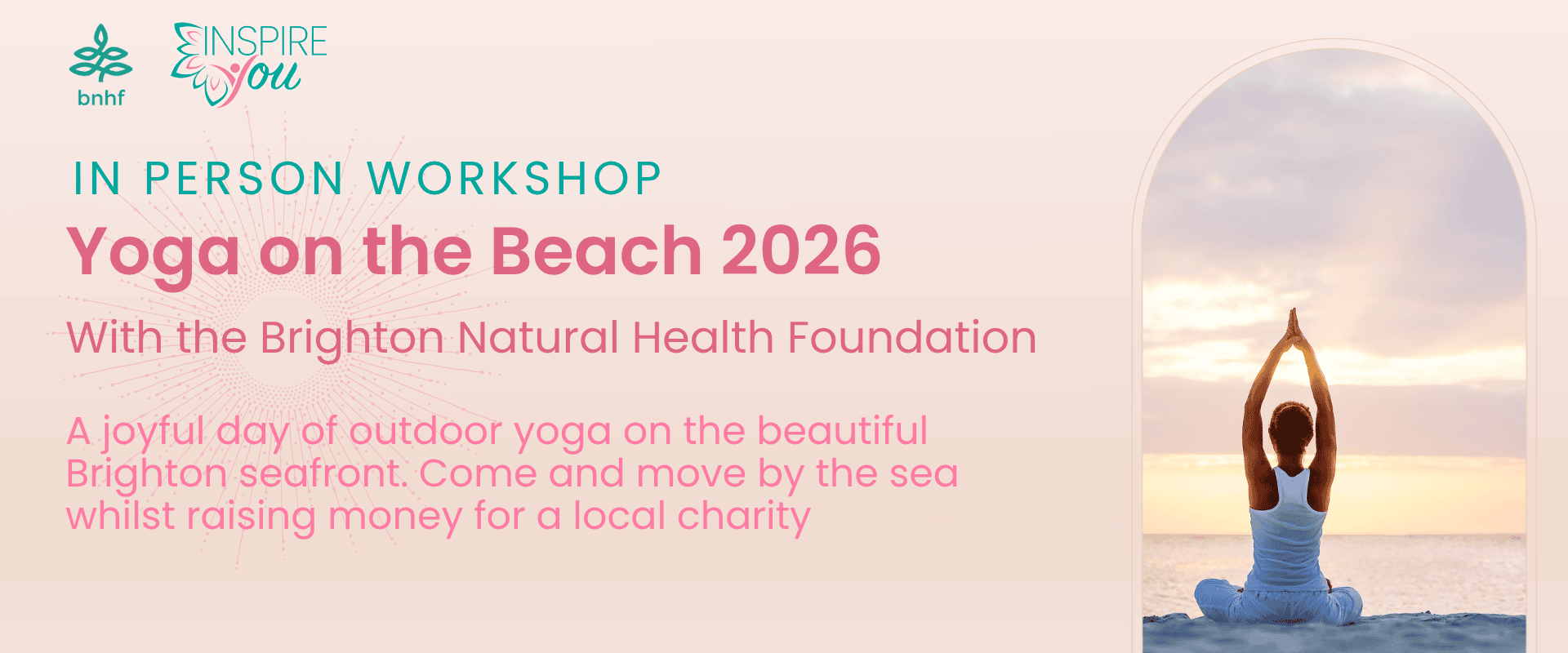
Yoga on the Beach 2026 with Brighton Natural Health Foundation
Sunday 12th July | 11am - 5pm | Kings Road, Brighton
We're delighted that members of the Inspire You Wellbeing team will be supporting this year's Yoga on the Beach event, organised by Brighton Natural Health Foundation (BNHF).
This joyful community event brings together local yoga teachers, wellbeing practitioners and members of the community for a day of movement, connection and mindfulness on Brighton seafront. Set against the backdrop of the sea, participants can enjoy a range of accessible sessions throughout the day, whether they are completely new to yoga and wellbeing practices or have years of experience.
The event raises funds for Brighton Natural Health Foundation, a local charity dedicated to reducing health inequalities by providing wellbeing classes and support to people who may not otherwise be able to access them.
As part of the programme, Inspire You Wellbeing's Claire Elmes and Teresa O'Connell will be facilitating two sessions designed to help people slow down, connect and experience the benefits of mindful wellbeing practices.
Awakening Breath: Greeting the Day
Facilitated by Claire Elmes
Claire will guide participants through a gentle breathwork experience designed to help them arrive fully, settle into the space and connect with the day ahead. Using simple breathing techniques and mindful awareness, this session creates an opportunity to slow down, reduce stress and cultivate a sense of calm and presence.
Suitable for all abilities, participants are encouraged to move at their own pace and engage in a way that feels comfortable for them.
Creating a Community Mandala: A Mindful Nature Experience
Facilitated by Teresa O'Connell
Teresa's family-friendly creative session invites participants of all ages to come together and co-create a beautiful community mandala using natural and found materials. Through mindful exploration and creativity, participants can contribute to a shared piece of art while connecting with nature, themselves and others.
There is no right or wrong way to participate, making this an accessible and inclusive experience that celebrates creativity, community and connection.
We look forward to joining the Brighton community for what promises to be a wonderful day of movement, wellbeing and togetherness by the sea.

Why We Built CoreSeven: Our Journey from Boutique Consultancy to Systemic Mental Fitness
Why We Built CoreSeven: Our Journey from Boutique Consultancy to Systemic Mental Fitness
For a long time, the world of workplace wellbeing has felt a bit like a game of catch-up. We wait for the burnout to happen, then we offer a subscription to a meditation app. We wait for the team conflict to reach a breaking point, then we call in a mediator. We wait for the crisis, and then we react.
At Inspire You Wellbeing, we’ve spent years working as a boutique consultancy, sitting at the intersection of HR, coaching, and therapy. We’ve seen firsthand how pressure at work and the complexities of real life: parenting, neurodiversity, trauma, and health: don’t stay neatly outside the office door.
But as we grew, we realised that while deep, bespoke consultancy is powerful, the scale of the challenge required something more systemic. We needed a way to help organisations move from a culture of "crisis management" to one of "proactive mental fitness." We need something affordable, accessible and easy to guide people without being preachy or commanding hours of therapy.
That is why we built CoreSeven.
From Boutique to Systemic: The Evolution
When we started, our mission was simple: help people assess where the problem is, feel better so they can work better. We worked with self development enthusiasts, wellbeing partners, leadership teams, parents, and schools, providing high-touch, human-centred support. However, we noticed a recurring pattern. Even the most well-meaning organisations were often treating wellbeing as a "perk" or a "reactive safety net" rather than a core business strategy. Individuals had good intentions but were not accountable to commit to changes and didn't know where to start or what the journey looked like.
We wanted to bridge the gap between business performance and emotional wellbeing. We knew that ways to create meaningful change required a shift in how we view the human nervous system in the workplace.
CoreSeven is the culmination of that journey: a systemic mental fitness platform designed to build resilience before it’s needed. What began five years ago as an assessment tool gradually evolved into something much bigger. First came a static membership platform. Then a more gamified version. Last year, we built it into the back of our website as the thinking continued to sharpen.
Over time, it became clear that CoreSeven was asking for its own space. It is no longer a feature sitting quietly inside Inspire You. It has grown into a standalone platform with its own domain, its own website, and a clearer, more professional identity.
As CoreSeven evolved, we realised it had grown beyond being simply a service within Inspire You. It had become its own ecosystem, methodology and long-term vision for how mental fitness could be approached differently.
Creating a separate platform and domain allowed us to build something bigger than traditional wellbeing support alone: a scalable, accessible system that could support both individuals and organisations in a more proactive and sustainable way.
Prevention over Crisis: The New Priority
The current "crisis-first" model is exhausted. HR teams are overwhelmed, managers are burnt out, and employees often feel that wellbeing support only arrives when they are already at their limit. Health and support systems are increasingly overwhelmed, with many people struggling to access support until they are already in crisis. During our time working in the NHS, we heard a version of the same sentence again and again: "I wish I had help sooner."
Our "Prevention over Crisis" mission is about moving upstream. It’s about recognising that by the time someone needs a crisis line, a lot of opportunities for support have already been missed. By focusing on mental fitness, we can build the internal resources: the "muscles": that allow people to navigate stress, uncertainty, and high-pressure environments without reaching a breaking point.
What Do We Mean by Mental Fitness?
We often talk about physical fitness as something we "do" to stay healthy, not just something we think about when we get sick. Mental fitness is exactly the same.
It isn't just the absence of mental illness; it is the proactive building of the inner and outer capacities that help us navigate life well. In our mental health awareness reflections, we often discuss how true wellbeing isn't a destination, but a practice.
At the heart of CoreSeven are 7 interconnected Rhythms of life and wellbeing. Because mental fitness is not built through one single habit, app, or intervention. It is shaped through the interaction between how we think, move, recover, connect, work, grow, and navigate change. The 7 Rhythms of Life are:
- Physical: Sleep, Movement, Nutrition
- Emotional: Awareness, Regulation, Resilience
- Growth: Mindset, Identity, Learning
- Social: Connection, Belonging, Communication
- Financial: Spending, Earning, Security
- Occupational: Satisfaction, Progress, Balance
- Transitional: Change, Loss, Adaptation
Each rhythm, or Beat, also has four levels: Awareness, Consistency, Performance, and Mastery. This is an important part of the platform’s systemic design. It means CoreSeven is not simply offering isolated wellbeing ideas or one-off interventions. It helps people and organisations understand where they are now, build steady foundations over time, strengthen performance in a sustainable way, and develop deeper long-term capability across every area of life.

Human-Centred Leadership in Practice
Building a platform didn't mean we wanted to lose our "human-centred" touch. If anything, it allowed us to embed it more deeply. Human-centred leadership isn't about being "soft"; it’s about being smart. It’s about acknowledging that a leader who understands their own nervous system is a leader who can hold space for a high-performing, psychologically safe team.
We believe that sustainable performance is only possible when we stop treating work life and real life as separate entities. When an employee is struggling with family pressures or neurodivergent burnout, they don't leave that at the door. CoreSeven helps organisations build a culture where these realities are seen and supported, creating a more resilient and loyal workforce.
A Holistic Ecosystem of Support
We’ve always known that wellbeing doesn't happen in a vacuum. It happens in our kitchens, our communities, and our local high streets. That’s why our approach to mental fitness includes a wider ecosystem of support. We call this "Glocal."
For us, Glocal means thinking globally about what people need, while building support locally and relationally. We are proud to be based in Sussex and to partner with local businesses and practitioners who share our values around holistic health and human-centred support. Further afield, we draw on a wider network of aligned partners so people can access the right support close to where they are. It means we can stay rooted in community whilst offering something responsive, personal and joined-up.

The Path Forward

The transition from a boutique consultancy to a systemic platform has been a journey of listening. We listened to exhausted HR directors, overwhelmed parents, people trying to hold everything together quietly, and organisations wanting to do better but not always knowing where to start.
We believe the most powerful changes often start with the person sitting right in front of us. That is the heart of the Ripple Effect. When one person builds awareness, resilience and healthier rhythms, that change rarely stays contained to them alone. It often ripples outward into families, teams, workplaces and communities. In that sense, supporting personal growth is not separate from wider organisational change. It is often how meaningful, lasting change begins.
CoreSeven is our answer. It is a commitment to individual self development and wider organisational workplace wellbeing strategies that actually work because they are rooted in how humans actually function. There is a clear journey.
It’s time to stop waiting for the crisis. It’s time to start building the fitness.
Ready to move from crisis management to mental fitness?
We are currently inviting a select group of purpose-driven leaders and individuals to join our Founding Members list. As a founding member, you’ll be the first to access the platform and receive exclusive benefits as we build the future of systemic wellbeing together.
Join the Founding Members List here
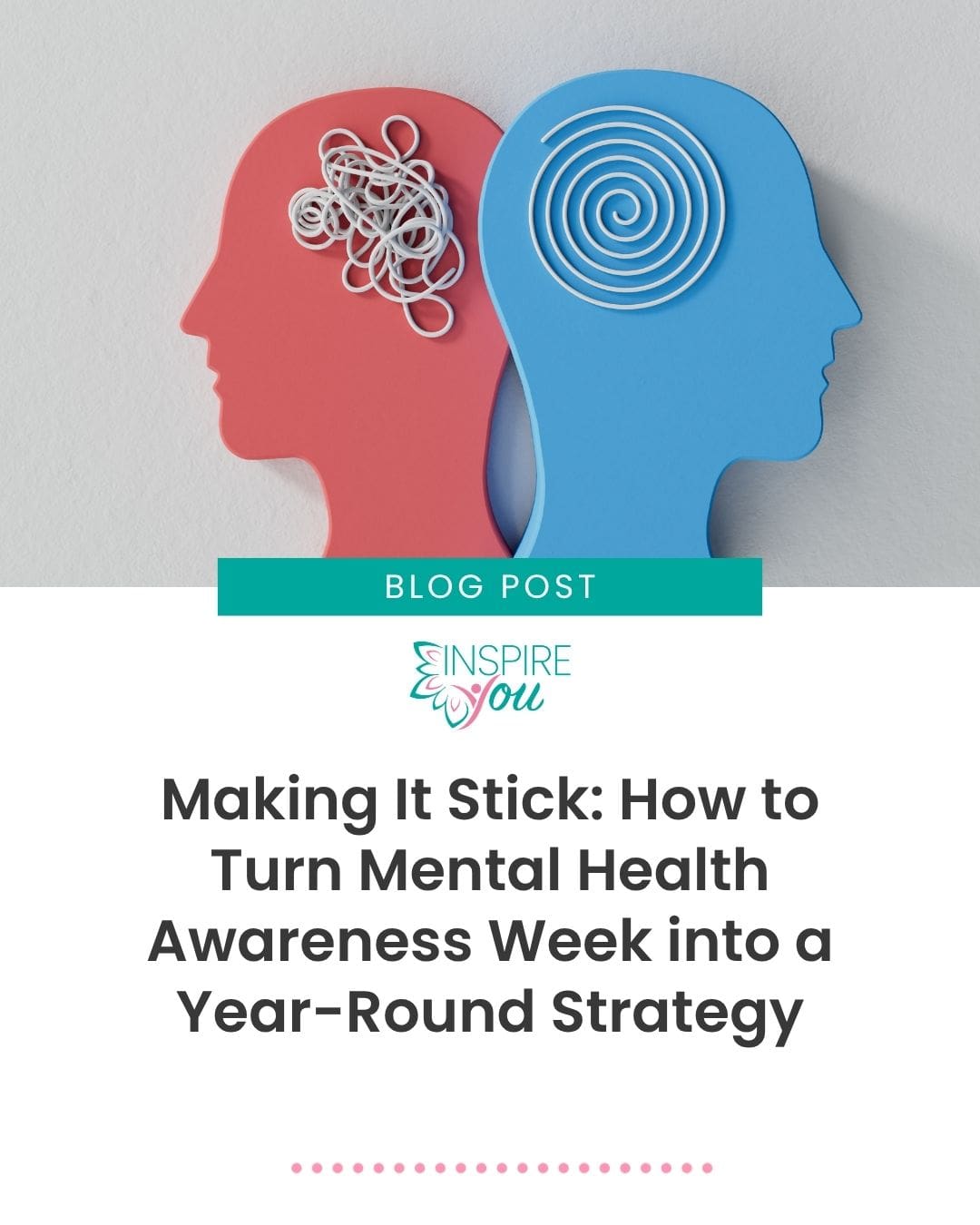
Making It Stick: How to Turn Mental Health Awareness Week into a Year-Round People Strategy
Making it Stick: How to turn Mental Health Awareness Week into a Year-Round People Strategy

An authentic team collaboration image that reflects the shift from one-off awareness activity to a more joined-up, year-round people and culture strategy.
Mental Health Awareness Week (MHAW) often feels like a whirlwind. For many HR professionals and business owners, it’s a week of high energy, guest speakers, workshops, and perhaps a few courageous conversations. But as the banners come down and the calendar flips to Monday morning, a familiar sense of "what now?" often sets in.
It is common to feel a bit of a "hangover" after a concentrated week of awareness. You’ve put in the effort, you’ve shared the resources, and you’ve opened the floor. Yet, for many leaders, there is a lingering worry: Was that just a tick-box exercise? How do we keep this conversation alive when the pressure of "business as usual" returns?
The truth is, while awareness is a vital starting point, it isn’t a destination. Real, lasting change doesn't happen in a single week in May. It happens in the quiet, consistent rhythms of your workplace culture throughout the rest of the year.
If you’re feeling like your recent initiatives didn’t quite get the "loud" engagement you hoped for, or if you’re wondering how to weave these themes into the very fabric of your business, this is for you. It’s time to move from ad-hoc activities to a cohesive, sustainable people and culture strategy.
The Engagement Gap: Why "Quiet" Doesn't Mean "Failed"
One of the biggest frustrations for people-focused leaders is the engagement gap. You might host a workshop for 200 people and only 20 show up. Or you might create a space for feedback and find that very few people are willing to speak up or share their experiences.
It’s easy to feel disheartened by this, but it’s important to look beneath the surface. Low engagement isn't always a sign of apathy; often, it’s a sign of a lack of psychological safety at work.
For many employees, the "thinking part" of their brain knows the support is there, but their nervous system might still feel cautious. They might be watching from the sidelines, absorbing the information without feeling ready to participate publicly. If your team is under high pressure, their capacity for "one more thing": even a wellbeing thing: might be limited.
The goal isn't necessarily to get every single person to post on a digital board or join every webinar. It's about creating a culture where they know the support is a permanent fixture, not just a seasonal trend. To do that, we have to move away from the "event" mindset and toward a "strategic" mindset.

Step 1: Culture Mapping - Understanding the "Why" and the "Where"
Before adding more workshops or activities, it’s essential to understand the current landscape of your organisation. This is where culture mapping comes in.
At Inspire You, we often talk about ways to create meaningful change by looking at the invisible dynamics of a team. Culture mapping is a process of identifying the "unspoken rules" of your workplace.
- Do people feel they can take a full lunch break without judgment?
- Is there a "hero culture" where overworking is rewarded?
- How do leaders role-model boundaries and nervous system regulation?
- Where are the gaps between what the company says it values and what employees actually experience?
By mapping these dynamics, you stop guessing and start addressing the root causes of burnout and disengagement. It allows you to see wellbeing not as a perk, but as an integrated part of your organisational development. This involves talking to the teams, staff surveys and really understanding the business.

Culture mapping is not just about meetings and plans. It is about noticing the everyday human dynamics, habits and unspoken rules that shape how a workplace actually feels.
Step 2: Moving from Ad-Hoc to Strategy
Most businesses have a "wellbeing list": an EAP, some Mental Health First Aiders, and the occasional yoga session. These are all great tools, but without a cohesive people and culture strategy, they often feel like disjointed patches on a larger problem.
A strategy isn’t a 50-page document that sits in a drawer. It’s a roadmap that connects your business goals with the emotional wellbeing of your people. It identifies:
- The Infrastructure: Who is responsible? (e.g., Wellbeing Champions, HR leads, Leadership).
- The Measurement: How do we know it’s working? (e.g., Staff surveys, turnover rates, absence data).
- The Rhythm: What is our consistent "operating rhythm" for the year?
When wellbeing is ad-hoc, it feels optional. When it’s strategic, it becomes "the way we do things here."

Beyond the Fruitbowl’ graphic creates a direct link between this blog and the wider social media campaign about moving from snacks and one-off gestures to sustainable systems.
Step 3: Integrating the Feedback Loop
To make a strategy "stick," it has to be built with your people, not just for them. This is where staff surveys and integrated feedback loops become powerful.
However, a survey is only as good as the action that follows it. If you ask your team for feedback and they don’t see any change, engagement will drop even further next time. The "Inspire You" approach involves:
- Identifying Gaps: Using data to see where the pressure points are (e.g., specific departments experiencing pressure at work).
- Facilitating Discussions: Moving from a tick-box survey to actual human conversation where people feel heard.
- Closing the Loop: Explicitly telling your team: "You told us X, and because of that, we are doing Y."
This transparency builds the psychological safety required for deeper engagement. It shows that you aren't just "aware" of mental health; you are actively managing the environment that impacts it.
Step 4: Building the Structure (Beyond the CEO)
While strategy starts at the top, it lives in the middle and on the ground. This is where your Mental Health First Aiders (MHFAs) and Wellbeing Champions come in.
Too often, MHFAs are trained and then left to navigate their roles without ongoing support or a clear place within the wider strategy. To make this year-round:
- Empower working groups: Give your champions the time and agency to suggest and lead initiatives.
- Support the supporters: Ensure your MHFAs have their own supervision or check-ins so they don't become burnt out by the emotional load of supporting others.
- Integrate into Leadership: Ensure that wellbeing isn't just an "HR thing." Every leader should understand how to have a supportive conversation and how to spot the signs of a struggling nervous system.
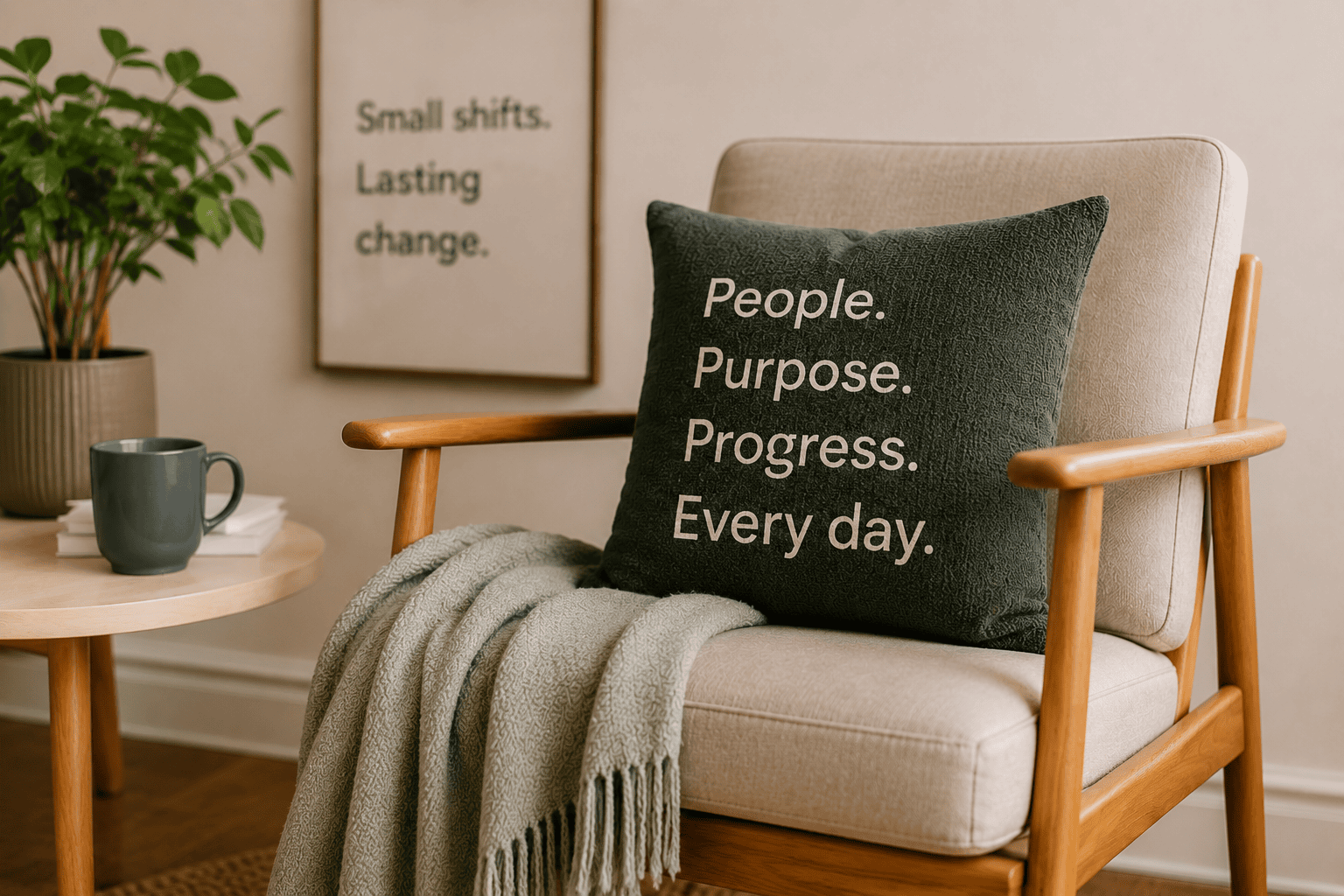
Embracing Sustainable Progress
If Mental Health Awareness Week felt a bit quiet this year, take a breath. It’s okay. You are planting seeds in soil that might need a little more tilling.
Turning a one-off week into a year-round reality isn't about doing more: it’s often about doing better. It’s about shifting from the "hype" of a campaign to the "depth" of a culture that prioritises human needs alongside business performance.
It is about reflections on mental health that lead to practical, systemic changes. It’s about accepting that progress is often slow and non-linear.
If you do not have a strategy yet, that does not mean you are behind. It may simply mean you need a clearer starting point. Often, the most useful first steps are small and honest:
- Listen to employees in a simple, low-pressure way and notice what keeps coming up.
- Map one "unspoken rule" in your culture, such as whether people feel able to switch off, ask for help, or take a proper break.
- Review your current "wellbeing list" and ask whether those offers are connected to a wider plan or just sitting alongside each other.
If you’re ready to move beyond the workshops and start mapping a culture that truly supports your team's nervous systems, we are here to help. We’re offering a free 30-minute strategy audit to help you turn awareness into action and get clearer on what practical, sustainable next steps could look like for your team.
How are you feeling after Mental Health Awareness Week? If you're ready to look at the "what next," book a free 30-minute strategy audit and let’s explore how to build a strategy that sticks.
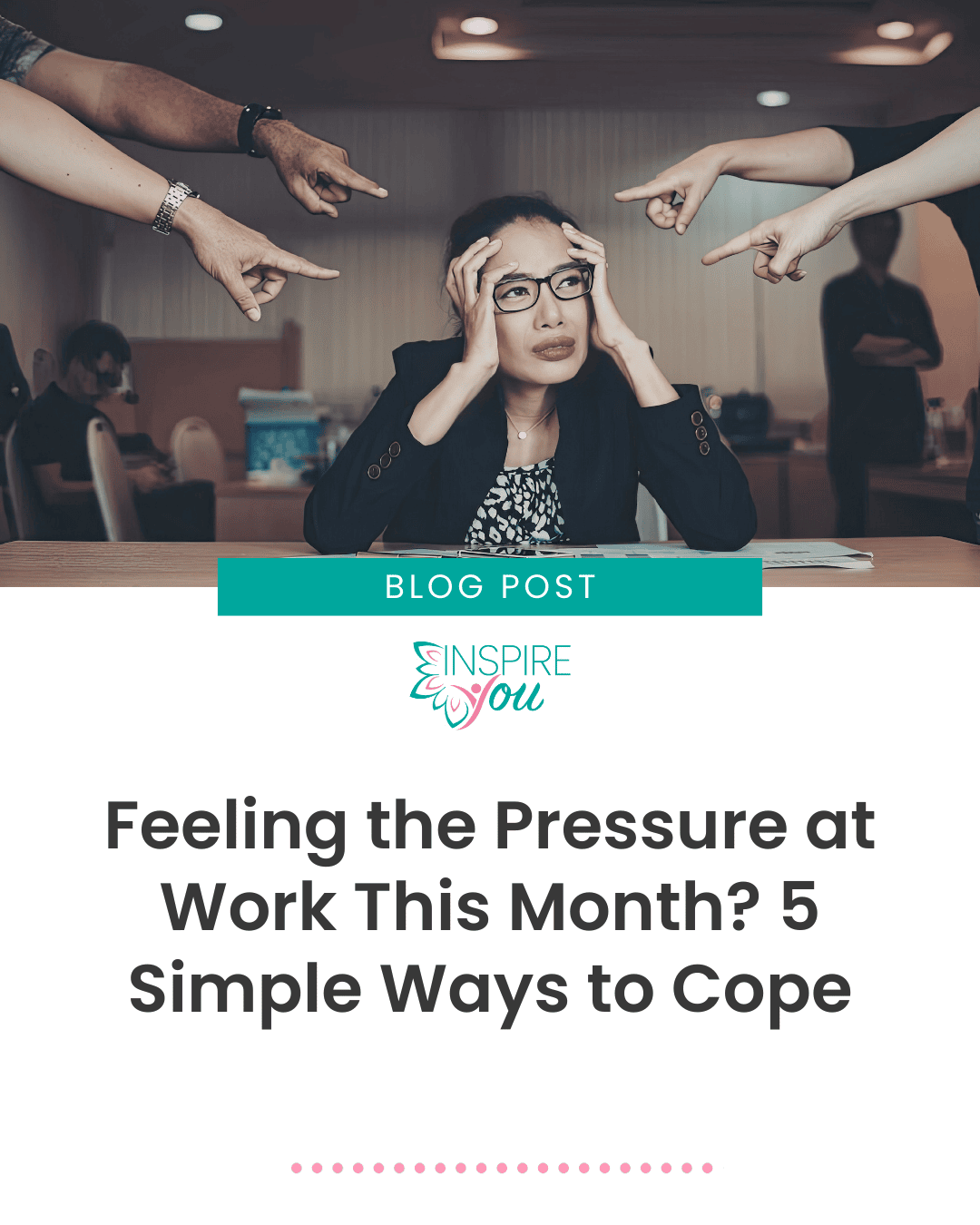
Feeling the Pressure at Work This Month? 5 Simple Ways to Cope
Feeling the Pressure at Work This Month? 5 Simple Ways to Cope

When Work Starts to Feel Heavier Than Usual
Some months feel different. When deadlines are tightening and expectations rise, you might notice your patience thinning or your energy dipping faster than usual. Pressure at work can gradually make you physically and mentally sick when there is little or no self-care to balance it.
When stress hormones like cortisol remain elevated for too long, they create many health risks, such as a weakened immune system and or increased blood pressure. When there is pressure at work, not only does it affect your performance, but it also impacts your nervous system, and if financial strain or personal stress is layered on top, everything can feel amplified.
If this month feels heavier, you’re not alone. The key isn’t pushing harder. It’s getting a better understanding of how to respond differently.
Here is how to to cope with pressure at work.

Therapeutic Coaching (10% Off Consultations)
Tired of Pushing Yourself Just to Burn Out Again? Therapeutic coaching helps you slow things down and understand the patterns behind your habits, stress, and self-pressure. It’s about creating change that actually lasts. Find out more.

1. Focus on the Next Controllable Step
When there is pressure at work, your mind can jump to outcomes, creating stress and workplace anxiety over things that haven't even happened yet. You may find yourself asking, “What if I don’t hit the target?” or “What if I fall behind?” Anticipatory workplace anxiety can leave you in a constant state of worry over outcomes that more than likely won't happen, especially if youve done the work you need to do.
That future-focused thinking increases anxiety and drains energy. Instead, break the thought down into achievable steps to reach that long-term goal and narrow your focus. Ask yourself this instead: "What is the very next step I can take?" or "What does progress look like today, not by the end of the month?"
Then complete that step, as small steps combined lead to long-term change. The big goals can create stress; it can be overwhelming trying to figure out the first step to achieve those far away, almost unrealistic targets. Starting those small actions creates momentum, and momentum restores a sense of control.
If overwhelming pressure at work is becoming a pattern rather than a phase, our workplace wellbeing sessions help employees develop realistic, sustainable strategies for managing stress and maintaining performance.
Get in touch to explore how we can support your team.
2. Understanding Yourself To Help With Workplace Anxiety
Anxiety, and in particular workplace anxiety, can stem from your inner conflict, how you may see yourself could be different to how others see you in the workplace. You may view yourself as someone who is confident and capable, but feel you're constantly criticised and not able to meet expectations. These roles could also be swapped, and your own low self-esteem may stop you from believing how capable you actually are.
These mismatches can create tension, and finding a more positive alignment within yourself and others' expectations means increasing your own self-awareness of what you are capable of and setting boundaries of what others should expect.
By approaching workplace anxiety with curiosity rather than judgment, you can gain insight into your boundaries. Over time, this self-understanding allows you to make more intentional choices that align with your authentic self and support your overall wellbeing.
Team Coaching
Our team coaching sessions help teams communicate better, work smarter, and perform more effectively. Through DISC profiling, we gain insight into each individual’s behavioural style and team dynamics. This means coaching is personalised, practical, and directly relevant to your workplace - supporting both performance and wellbeing. Book a FREE discovery call to find out how we can help.


3. Acknowledge That This Is a High-Pressure Period
Many people cope by pretending they’re fine; the effects this can have on you physically and mentally can be extremely harmful. Ignoring pressure doesn’t remove it; it just forces your body to carry it silently, and the longer this goes on, the greater the chance of a mental or physical injury.
Try acknowledging it instead, understanding that it is okay for times to be tough; we're all human. Do this by naming the pressure, which reduces that internal resistance and allows you to accept this period as a hard time, and, as a result of that internal barrier being removed, you could even ask for help.
You don’t need to eliminate workplace stress; you need to stop fighting yourself for feeling it, and having the ability to self-acknowledge builds resilience far more effectively than self-criticism ever will.

Therapeutic Coaching (10% Off Consultations)
Tired of Pushing Yourself Just to Burn Out Again? Therapeutic coaching helps you slow things down and understand the patterns behind your habits, stress, and self-pressure. It’s about creating change that actually lasts. Find out more.

4. Creating The Right Enviroment For The Best Results
People have a natural drive toward growth and self-actualisation, meaning they move toward becoming their best and most authentic selves; however, this can only be done when given the right conditions. In the workplace, anxiety can increase when those conditions are missing, creating a safe space allows people to express themselves without judgment or fear of doing something wrong.
If someone only feels appreciated for performance rather than who they are as a person, they may begin to doubt themselves and disconnect from their natural strengths. Therefore, reducing work anxiety involves creating environments that foster genuine support, allowing individuals to grow with confidence rather than fear.

5. Protect One Small Daily Reset
When work feels intense, self-care is usually the first thing to disappear. But this is when you need it most, and instead of trying to overhaul your routine, choose one small, non-negotiable reset every day.
For example:
-
Take a 10-minute walk without your phone.
-
Eat lunch away from your desk twice this week.
-
Leave on time one evening.
-
Write down three completed tasks before shutting your laptop.
Consistency matters in terms of performance at work, but the only way that is going to stay the same is by consistent self-care. So when pressure feels unpredictable, routine creates stability.
That one small ritual sends a powerful message to your nervous system, and that shift protects your energy more than you realise.

Be Kind To Yourself
If you’re feeling the pressure at work this month, it doesn’t mean you’re falling behind. You may just have incredibly high standards and expectations that can be hard to reach. That's okay, but remember, if the expectations are high and the demands are heavy, you’re only human. By approaching workplace worries with curiosity rather than judgment, you can gain insight into your boundaries and what could be the cause of the pressures you face at work. Over time, this self-understanding allows you to make more intentional choices that align with your authentic self and support your overall wellbeing.
If you are struggling, we offer therapeutic coaching to help address both emotional wellbeing issues, as well as lifestyle, relationships and career. Book a free discovery call here.
You don’t need a dramatic change; just make one controllable action that you stick to.
If your team is navigating sustained pressure like this, structured wellbeing sessions can provide practical tools and shared language to manage it more effectively. Book in a free discovery call or email claire@inspireyouwellbeing.co.uk to find out how we can help.
Team Coaching
Our team coaching sessions help teams communicate better, work smarter, and perform more effectively. Through DISC profiling, we gain insight into each individual’s behavioural style and team dynamics. This means coaching is personalised, practical, and directly relevant to your workplace - supporting both performance and wellbeing. Book a FREE discovery call to find out how we can help.

Random Acts of Kindness Week: How 6 Small Gestures Build a Positive Workplace Culture
Random Acts of Kindness Week: How 6 Small Gestures Build a Positive Workplace Culture

Random acts of kindness week isn’t about grand gestures. It’s not about performative positivity, or overly cheerful slogans pasted across office walls. It’s about the genuine ones. The small choices that often go unnoticed.
In busy workplaces, kindness can feel like a luxury. We’re moving fast, and deadlines loom. In all of that motion, it becomes surprisingly easy to rush past opportunities to slow down and see each other.
It’s often the smallest gestures that stay with us. If you’re looking for guidance on making these small, meaningful changes stick, our coaching services help leaders and teams implement strategies that foster authentic connection.
Why Workplace Kindness Matters More than Ever
Many of us are generous with others. We’ll stay late to help. We’ll check in on a colleague. We’ll offer encouragement without hesitation.
And yet, receiving kindness can feel uncomfortable. We deflect compliments and downplay praise, telling ourselves we “just did our job.”
Why is it easier to give praise than to receive it?
Work cultures often reward output over openness. We become skilled at performing competence, but less comfortable accepting appreciation. Random acts of kindness week offers a gentle reminder that kindness isn’t just something we distribute. It’s something we allow.

The Problem With Forced Positivity
There’s a difference between kindness and compulsory cheerfulness.
Kindness is intentional and authentic; there is no time or place for forced positivity, which is exhausting, and people see straight through it. People can sense the difference.
Kindness doesn’t require constant smiles or ignoring challenges. In fact, it often looks like honesty:
-
“That was a tough week. I appreciate how you handled it.”
-
“I know this project stretched you. Thank you.”
-
“I don’t say it enough, but your work makes a difference.”
Genuine kindness respects reality. It doesn’t gloss over stress or difficulty. It meets people where they are.

The Cost of Rushing Past Appreciation
In busy organisations, appreciation becomes a “nice to have.” We assume people know they’re valued, and there will always be other opportunities, or something bigger to show gratitude.
But unspoken appreciation doesn’t build culture. A meaningful workplace is shaped through micro-moments:
-
Acknowledging effort publicly
-
Giving specific feedback
-
Taking 60 seconds to send a thank you message
-
Pausing to truly listen
These small gestures are the foundation of meaningful work relationships.
And they are often the difference between a team that functions and a team that thrives.
Team Coaching
Our team coaching sessions help teams communicate better, work smarter, and perform more effectively. Through DISC profiling, we gain insight into each individual’s behavioural style and team dynamics. This means coaching is personalised, practical, and directly relevant to your workplace - supporting both performance and wellbeing. Book a FREE discovery call to find out how we can help.

6 Simple Random Acts of Kindness Ideas for the Workplace
If you’re wondering how to celebrate random acts of kindness week at work in a genuine way, start small:
-
Send one personalised message of appreciation today
-
Recognise effort, not just results
-
Offer specific positive feedback
-
Ask a colleague how they’re really doing and listen
-
Share credit publicly
-
Extend the same compassion to yourself
These small workplace kindness ideas create ripple effects that extend far beyond one day.

Making Kindness Part of your Workplace Culture
Random Acts of Kindness Day is a reminder, not a one-off campaign.
To build a truly positive workplace culture, kindness needs to show up in:
-
Leadership communication
-
Feedback conversations
-
Performance reviews
-
Team meetings
-
Responses to mistakes
-
Daily interactions
Because kindness at work isn’t soft. It’s strategic. It can help with retention, making people feel valued, leading to a trusting, safe space to work.
And most importantly, it makes work feel human.

Final Thought: Small Gestures, Lasting Impact
The most powerful acts of workplace kindness are rarely dramatic.
In a world that rewards speed and output, choosing to pause and appreciate someone may be the most impactful leadership decision you make all week.
This Random Acts of Kindness week, don’t focus on doing more. Focus on noticing more. Saying more and seeing people for who they are, not what they can do for you.
If you would like support in improving your people culture, our services for organisations can help. We use DISC profiling to understand each of your staff, and the dynamics between each other - and use this information to construct personalised group coaching sessions. Find out more here or book a discovery call to see how we can help.
Team Coaching
Our team coaching sessions help teams communicate better, work smarter, and perform more effectively. Through DISC profiling, we gain insight into each individual’s behavioural style and team dynamics. This means coaching is personalised, practical, and directly relevant to your workplace - supporting both performance and wellbeing. Book a FREE discovery call to find out how we can help.

Good Enough Parenting: 3 Ways to Support your Child’s Emotional Wellbeing Without Being Perfect
Good Enough Parenting: 3 Ways to Support your Child’s Emotional Wellbeing Without Being Perfect
Children’s Mental Health Week can stir up a lot for parents. It can bring pride, love, and deep care, but also quiet questions that creep in during the busy, messy moments of everyday life:
- Am I doing enough?
- Have I been patient enough?
- Did I handle that well?
If you’ve felt more emotional or reflective than usual about your child lately, you’re not alone.
CHILDRENS THERAPY
Our children’s therapy services support children around the Shoreham-by-sea area who struggle with emotional regulation, big feelings, shutdowns, anxiety, or behaviour that feels hard to understand.
What is “good enough” parenting?
The paediatrician and psychoanalyst Donald Winnicott introduced the idea of the “good enough” parent. Not the perfect parent. Not the endlessly patient, never snappy, always available parent. But a parent who is human and emotionally present enough for their child to feel safe and secure.
Winnicott believed that children don’t benefit from perfection. In fact, small, manageable frustrations, not always getting what they want, and learning that others have needs too, help children build resilience, independence, and emotional strength.
Being “good enough” means:
- Showing up most of the time
- Repairing things when they go wrong
- Letting children experience life’s bumps while knowing they are loved
But real life is more complicated than theory.

When life feels like too much
What happens when the frustrations children face aren’t just small, manageable ones?
What about when parents are exhausted, stretched, or overwhelmed themselves?
Children don’t just need limits and learning experiences; they also need unconditional positive regard. They need to feel that even when their behaviour is loud, withdrawn, or challenging, the relationship underneath is safe.
That’s hard to offer consistently when you’ve:
- Had a draining day at work
- Snapped at someone you didn’t mean to
- Been running on too little sleep
- Walked home in the rain
There is no guidebook for parenting in those moments. No script for how to stay calm when you feel anything but. And yet, those are often the exact moments children need us to help them make sense of their big feelings.

1. Model imperfection and repair
One of the most powerful things a parent can say is:
“I got that wrong, I’m sorry.”
When you lose patience or misread a situation, repairing the moment teaches children that relationships can bend without breaking. It shows them that mistakes don’t mean disconnection. That’s a core part of “good enough” parenting.

“Being there” changes as children grow
When children are small, being present can feel more straightforward. You’re physically there to comfort, distract, and soothe. As they get older, things shift.
They spend more time alone. Their social world gets bigger. Pressures increase, including friendships, school expectations, and the online world. They are left to regulate themselves without you right beside them.
That can be scary for parents. You can’t step in every time to protect them from every disappointment or conflict. While it’s natural to want to remove every obstacle from your child’s path, constantly managing all their stress can make it harder for them to develop the confidence and emotional tools they’ll need later on.
Children don’t just need problems solved for them. They need support to understand their feelings.

2. Name feelings (even when you can’t fix them)
When children are overwhelmed, they don’t always need solutions straight away. They need help making sense of what’s happening inside.
You might say:
- “It sounds like today felt really lonely.”
- “I can see how frustrated you are.”
- “That must have felt embarrassing.”
Naming emotions helps children learn that feelings are manageable, not something to hide or fear.

You’re carrying a lot, your child might be too…
Many parents right now are juggling more than ever. The constant sense of needing to be in two places at once is undoubtedly creating a lot of stress and pressure at home.
Even when you try to shield your child from it, they often pick up on the emotional atmosphere. Some children become louder and more demanding. Others go quiet and try to be “easy.” Both can be signs they’re carrying feelings they don’t yet have the words for.
Feeling like you’re not doing enough doesn’t mean you’re failing. Often, it means you care deeply and are trying to hold everything together.
But you don’t have to do that alone.

3. Let them be challenged with you nearby
It’s natural to want to remove stress from your child’s life. But manageable challenges are how children build resilience.
Instead of stepping in immediately, try:
- Encouraging them to think of one thing they could try
- Reminding them of a time they coped before
- Letting them know you’re there if they need help
This builds confidence while keeping the safety net of your support.

Many parents right now are juggling more than ever. The constant sense of needing to be in two places at once is undoubtedly creating a lot of stress and pressure at home.
Even when you try to shield your child from it, they often pick up on the emotional atmosphere. Some children become louder and more demanding. Others go quiet and try to be “easy.” Both can be signs they’re carrying feelings they don’t yet have the words for.
Feeling like you’re not doing enough doesn’t mean you’re failing. Often, it means you care deeply and are trying to hold everything together.
But you don’t have to do that alone.
CHILDRENS THERAPY
Our children’s therapy services support children around the Shoreham-by-sea area who struggle with emotional regulation, big feelings, shutdowns, anxiety, or behaviour that feels hard to understand.

When Words Don’t Work: 5 Creative Ways to Help Your Child Express Big Emotions
When Words Don’t Work: 5 Creative Ways to Help Your Child Express Big Emotions

Children don’t struggle with emotions because they’re being difficult. They struggle because their brains are still developing the systems needed to identify, organise and express how they feel.
During moments of big emotion, a child’s nervous system often shifts into fight, flight or freeze. When this happens, the parts of the brain responsible for language, reasoning and emotional regulation go temporarily offline. Expecting a child to “talk it through” in those moments is often unrealistic.
That’s why many children appear to shut down, lash out, or become overwhelmed when asked to explain what’s wrong.
Supporting children’s emotional expression isn’t about fixing or stopping feelings. It’s about giving them safe, developmentally appropriate ways to release and process emotion until they’re ready to put words to it later.
Below are five practical, creative strategies that work especially well when talking doesn’t.
CHILDRENS THERAPY
Our children’s therapy services support children around the Shoreham-by-sea area who struggle with emotional regulation, big feelings, shutdowns, anxiety, or behaviour that feels hard to understand.
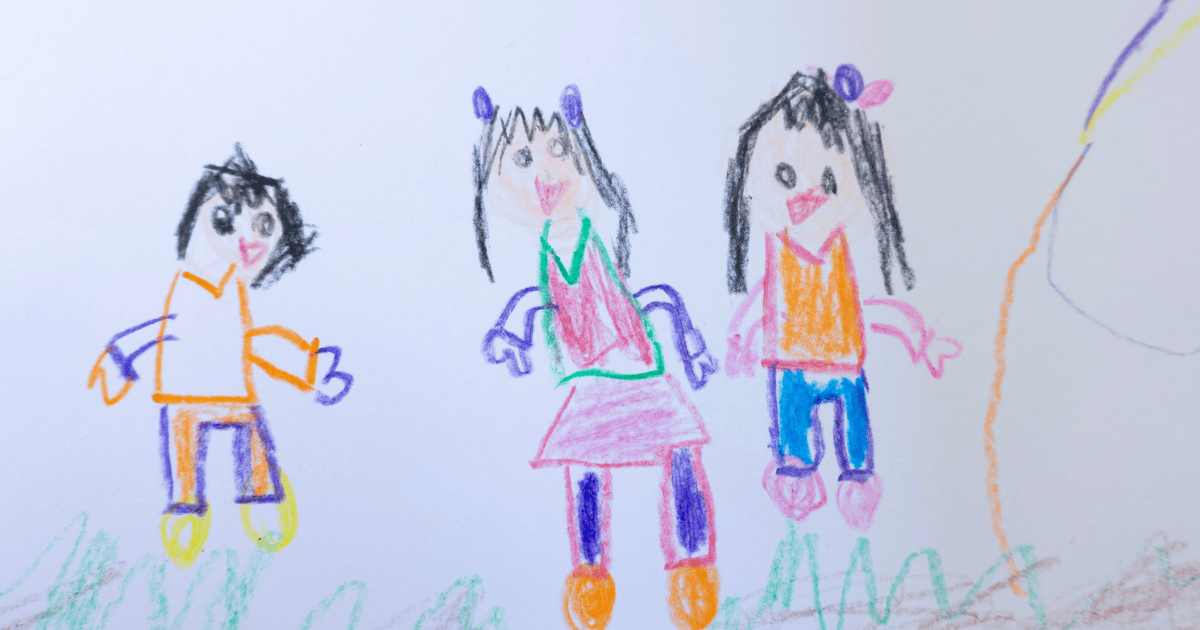
1. Draw the Feeling (Not the Situation)
Instead of asking your child what happened, invite them to draw the feeling itself.
This could be:
- a colour
- a shape
- a creature
- a storm
- something abstract
You don’t need to analyse the drawing. Simply sit alongside them and, if appropriate, reflect what you notice: “That looks very big and fast.”
Drawing activates different neural pathways to language and allows emotional expression without pressure. It also helps externalise the feeling, making it less overwhelming.
2. Use Objects to Represent Emotions
Gather a few everyday items such as stones, Lego figures, toy animals, or household objects. Ask your child to choose something that represents how they feel right now.
They might:
- line objects up
- move them around
- place one far away
- hide one
Avoid questioning or correcting. Let the play lead. Symbolic play allows children to communicate complex emotional states safely and indirectly. It also gives you insight without demanding verbal explanation.

3. Create a “Feelings Scale” They Control
Rather than asking “Are you OK?”, use a simple scale your child can point to.
Examples:
- 1–5 with faces
- colours from calm to overwhelmed
- weather types (sunny, cloudy, stormy)
The key is that they choose, not you.
Scales reduce cognitive load and help children notice emotional shifts over time, building emotional awareness without forcing conversation.

4. Move the Emotion Out Through the Body
Big emotions live in the body first. Before talking, children often need physical release.
Practical options:
- jumping or running for 30–60 seconds
- pushing against a wall
- squeezing a cushion or stress ball
- slow, heavy movements (animal walks, stretching)
Once their body is calmer, emotional processing becomes possible. Movement helps regulate the nervous system and brings the brain back online, making emotional reflection more accessible later.

5. Use Stories to Talk Around the Feeling
Create a simple story together using a character who feels similar to your child.
You might say:
“I wonder what helps this character when they feel like that?”
Let your child suggest solutions for the character, not themselves. Stories create emotional distance, which reduces defensiveness and allows problem-solving without pressure or shame.

Why This Matters (And Where to Get Further Support)
Children’s emotional wellbeing isn’t built through perfect conversations or having the “right” words at the right time. It’s built through repeated experiences of being met, understood, and supported - even when emotions are messy, loud, or hard to explain.
When children are given safe, creative ways to express big emotions, they learn that feelings are manageable rather than overwhelming. Over time, this helps them develop emotional regulation, confidence in communicating their needs, and resilience when things feel difficult. Importantly, it also reduces the risk of emotions being pushed down or acted out in ways that feel confusing or unsafe.
The aim isn’t to stop big emotions or rush children into talking before they’re ready. The aim is to show them that their feelings are allowed, temporary, and something they don’t have to face alone. Words usually come later - once the nervous system feels calm enough and safe enough to reflect.
CHILDRENS THERAPY
Our children’s therapy services support children around the Shoreham-by-sea area who struggle with emotional regulation, big feelings, shutdowns, anxiety, or behaviour that feels hard to understand.

What Kind of New Year’s Resolutioner Are You? (And How to Avoid Burning Out Before February)
What Kind of New Year’s Resolutioner Are You? (And How to Avoid Burning Out Before February)

FREE 7-DAY RESET CHALLENGE
The 7-Day Reset Challenge is a gentle way to reset your energy and focus. One short video a day, accessed in your browser, with no rules, no rigid targets, and no guilt if you miss a day. You can simply return - without shame.

Every January, we’re told this is the year. The year we finally get disciplined, motivated, productive, healthier, calmer, richer, happier… all at once. And yet, by February, many people feel exhausted, disappointed, or quietly giving up - wondering what went wrong again.
The truth? It’s not that you lack willpower. It’s that not all New Year’s resolution styles are created equal, and some are far more likely to lead to burnout than others.
Why Most New Year’s Resolutions Fail (and Lead to Burnout)
Before we dive into the personas, it helps to understand why New Year’s resolutions so often backfire.
Common causes of January burnout include:
- Setting too many goals at once
- Relying on motivation instead of sustainable systems
- Ignoring energy, capacity, and real life
- Treating rest as a reward instead of a requirement
- Expecting instant transformation rather than progress
Burnout isn’t laziness. It’s your nervous system saying 'this pace isn’t sustainable'. Now, let’s find out which resolution style you fall into - and how to work with it, not against it.

The 5 Types of New Year’s Resolutioners
As you read, notice which one makes you think: “Oh… that’s me.”
(If more than one fits - that’s completely normal.)
The All-In Overachiever
“This year I’m changing EVERYTHING.”
How to spot yourself:
- You set big, ambitious goals across health, career, finances, routines, mindset
- You love structure, plans, trackers, and colour-coded systems
- January feels exciting… until it suddenly feels overwhelming
- By February, you’re exhausted or quietly frustrated with yourself
Strengths: Driven, capable, visionary
Burnout risk: High - due to intensity and pressure
How to avoid burnout this year:
- Choose one core focus (not five)
- Aim for consistency over intensity
- Build in planned imperfection - missed days don’t equal failure
- Ask: What would “good enough” look like?
Try reframing resolutions as habits that support energy, not goals that demand output.

The Motivated-But-Exhausted Juggler
“I really want this… I just don’t have the time or energy.”
How to spot yourself:
- You genuinely want change, but life is already full
- You’re balancing work, family, responsibilities, emotional load
- You start January hopeful but tired
- Your goals quietly slip down the priority list
Strengths: Responsible, caring, realistic
Burnout risk: Emotional and physical depletion
How to avoid burnout this year:
- Stop asking “What should I add?” - Start asking “What can I simplify?”
- Set micro-goals that fit into real life (5–10 minutes counts)
- Tie habits to things you already do
- Focus on maintenance, not transformation
Sustainable change for you starts with reducing load, not increasing effort.

The Perfectionist Starter
“If I can’t do it properly, I won’t do it at all.”
How to spot yourself:
- You spend time researching the best approach
- You wait for the “right” time, energy, or plan
- A small slip feels like total failure
- You restart… often
Strengths: Thoughtful, high standards, reflective
Burnout risk: Mental fatigue and self-criticism
How to avoid burnout this year:
- Lower the entry bar - messy action beats perfect plans
- Decide your minimum viable habit
- Track progress in weeks, not days
- Practice self-compassion as a skill, not an afterthought
Progress doesn’t come from doing it perfectly - it comes from staying in the game.


Therapeutic Coaching (10% Off Consultations)
Tired of Pushing Yourself Just to Burn Out Again? Therapeutic coaching helps you slow things down and understand the patterns behind your habits, stress, and self-pressure. It’s about creating change that actually lasts. Find out more.
The “New Year, New Me” Optimist
“This time it’ll be different!”
How to spot yourself:
- You love the fresh-start feeling of January
- You’re enthusiastic, hopeful, and future-focused
- Motivation dips sharply once novelty fades
- You feel disappointed when the buzz wears off
Strengths: Positive, imaginative, open to growth
Burnout risk: Motivation crashes and self-doubt
How to avoid burnout this year:
- Expect motivation to drop - and plan for it
- Replace motivation with simple routines
- Anchor habits to identity: “I’m someone who…”
- Celebrate effort, not outcomes
Change sticks when it becomes part of who you are, not just something you’re excited about.

FREE 7-DAY RESET CHALLENGE
The 7-Day Reset Challenge is a gentle way to reset your energy and focus. One short video a day, accessed in your browser, with no rules, no rigid targets, and no guilt if you miss a day. You can simply return - without shame.
The Quiet Non-Resolutioner
“I don’t really do New Year’s resolutions.”
How to spot yourself:
- You’ve been burned before
- January feels pressured or performative
- You prefer reflection over big declarations
- You still want change - just not the hype
Strengths: Self-aware, grounded, independent thinker
Burnout risk: Low - but stagnation can creep in
How to avoid burnout (and still grow):
- Set intentions, not resolutions
- Choose a word or theme for the year
- Focus on how you want to feel, not what you want to achieve
- Review monthly, not annually
Growth doesn’t have to be loud to be meaningful.

A Final Thought
If this has made you realise that your expectations of yourself tend to be sky-high at the start of the year, you’re not alone.
January often comes with an unspoken pressure to fix everything at once. To be more productive, healthier, calmer, more focused - immediately. And for many people, that pressure is exactly what leads to burnout before February even arrives.
You don’t need to set yourself such high expectations this year. You don’t need another intense plan or an all-or-nothing resolution. Sometimes, what actually helps is a reset - something gentle, realistic, and achievable.
That’s why we created the 7-Day Reset Challenge.
It’s designed to help you ease into the year rather than sprint into it. The challenge runs entirely in your browser, so there’s nothing to download or set up. Each day, you’ll receive one short video, guiding you through a simple reset you can actually fit into real life. No overwhelm, no long to-do lists - just one intentional step at a time.
Over the 7 days, the challenge helps you:
- Reset your energy and headspace
- Reduce mental overload
- Rebuild momentum without pressure
As you move through the challenge, you’ll also earn points for taking part. If you decide to continue your journey afterwards, those points can be used within our wider CoreSeven membership, so the effort you’ve already made carries forward rather than being wasted.
And if life gets in the way? That’s okay.
There’s no failing, no catching up, and no guilt attached. You can pause, return, and continue whenever you’re ready - without shame.
Because sustainable wellbeing isn’t about doing more or trying harder. It’s about creating rhythms that support you, even when things don’t go perfectly.
If you’d like a calmer, more supportive way to begin the year - something you can realistically stick to - the 7-Day Reset Challenge is a great place to start.
FREE 7-DAY RESET CHALLENGE
The 7-Day Reset Challenge is a gentle way to reset your energy and focus. One short video a day, accessed in your browser, with no rules, no rigid targets, and no guilt if you miss a day. You can simply return - without shame.

Mental Health Awareness Activities and Events 2025: Simple Ways to Support Yourself, Your Family, and Your Workplace
Mental Health Awareness Activities and Events 2025: Simple Ways to Support Yourself, Your Family, and Your Workplace
FREE 7-DAY RESET CHALLENGE
If life’s felt overwhelming lately, our Free 7-Day Reset Challenge is the perfect way to ease back into better routines - without pressure or guilt. Each day, you’ll receive short videos and simple wellbeing prompts from a wellbeing coach to help you reconnect with yourself and rebuild healthy habits at your own pace.

Every year, World Mental Health Day reminds us that wellbeing isn’t something to think about once a year - it’s something to live. But so often, both individuals and workplaces want to support mental health without knowing where to start. The day can feel overwhelming, with a flood of information, activities, and events appearing all at once. Many people feel a pressure to “do something,” but aren’t sure what will actually make a difference.
That’s exactly why we’ve written this blog. We want to take the pressure off and give you clear, practical, and meaningful ideas to support mental health - whether that’s through small everyday actions or bigger initiatives.
To make it easy to navigate, we’ve broken the guide down into three sections:
If you’re looking for meaningful mental health awareness activities and events for yourself, your family, or your team, this guide will help you find practical, creative, and impactful ways to get involved - without the overwhelm.
The Importance of Mental Health Awareness
The importance of mental health awareness goes far beyond posters and hashtags. At its heart, it’s about noticing what’s going on in ourselves, and in the people we care about, and creating a culture where talking about mental health is as normal as talking about physical health.
Awareness activities can help to:
- Reduce stigma and normalise open conversations, so people feel able to speak up without fear of judgment.
- Build emotional resilience and connection, helping individuals and communities navigate life’s ups and downs together.
- Encourage early help-seeking, reducing the barriers that stop people accessing support before things reach crisis point.
- Create more mentally healthy workplaces and communities, where wellbeing is part of everyday life.
Being aware of your own mental health means recognising when you’re thriving, when you’re struggling, and when you might need extra support. But it also means tuning in to friends, family, and colleagues - asking how they really are, noticing changes, and being open to conversations that might feel uncomfortable at first.
This is especially important when it comes to men’s mental health, which still carries a lot of stigma. Many men feel pressure to appear “strong” or to keep things bottled up, which can make it harder to reach out for help. Simply checking in, creating safe spaces for honest conversations, and showing that vulnerability is valued can make a huge difference.
Mental health challenges don’t discriminate. You never know when your mental health might take a hit - through stress, illness, loss, change, or simply the pace of modern life. In fact, more than 1 billion people are currently living with mental health disorders (WHO, 2025). Building awareness before we reach breaking point allows us to respond with compassion, both for ourselves and for others.

Mental Health Awareness Activities for Yourself and Your Family
When it comes to protecting your wellbeing, it’s often the small, consistent steps that make the biggest difference. These mental health awareness activities for adults are simple, affordable, and grounded in evidence-based practices that are perfect for supporting yourself and your family this October and beyond.
1. Express Stress Through Movement
Sometimes the best therapy is to get out of your head and into your body. Movement is one of the most powerful tools we have to regulate stress, release tension, and improve mood. When we move, especially in ways that feel freeing, we help the nervous system complete stress cycles and shift into a more balanced state.
This doesn’t have to mean going to the gym or starting a new sport. Instead, try something that lets you express energy or emotion freely. For example:
- Dancing in your living room to your favourite playlist
- Painting with broad, expressive strokes to music
- Hitting a boxing bag or doing shadowboxing to release frustration
- Going for a mindful walk, paying attention to your breath and surroundings
Even five to ten minutes of intentional movement can make a noticeable difference in how you feel. The key is to focus less on performance and more on expression.

2. Create a “Happiness Board”
In a busy world, it’s easy to lose sight of what brings us joy. A Happiness Board is a visual reminder of the people, places, experiences, and little things that make you feel alive.
Set aside 20 minutes to create a board, digital (Pinterest, Canva, phone wallpaper) or physical (poster board, corkboard, scrapbook). Fill it with:
- Photos of family, friends, and happy memories
- Quotes that inspire you
- Colours, textures, or patterns that spark a positive emotional response
- Music playlists, ticket stubs, or souvenirs from favourite moments
- Positive affirmations (you can also follow our instagram for daily affirmations on our story)
By placing this board somewhere you’ll see daily, you’re training your brain to notice joy and gratitude, which is proven to improve mood and build resilience over time. It’s also a beautiful activity to do with children, partners, or friends, sparking uplifting conversations about what really matters.

3. Try Therapeutic Coaching
Sometimes awareness alone isn’t enough, we need guided support to make lasting change. Therapeutic coaching blends the emotional depth of therapy with the forward momentum of coaching. It’s ideal if you’re feeling stuck, overwhelmed, or caught in a cycle of burnout.
A therapeutic coach can help you:
- Build emotional awareness and confidence, so you can better understand your reactions and triggers.
- Reconnect with your goals and values, ensuring your actions align with what matters most.
- Learn to regulate stress and find calm, even when life feels chaotic.
Unlike traditional therapy, therapeutic coaching often focuses on integrating practical wellbeing strategies into your daily life, making it a powerful tool for sustainable change.

Therapeutic Coaching (10% Off Consultations)
Feeling stuck, burnt out, or ready to make meaningful changes? Therapeutic coaching blends psychological insight with practical tools to help you move forward with clarity and confidence. For a limited time, we’re offering 10% off initial consultations booked before 13th October 2025. Find out more.
4. Join the Free 7-Day Reset Challenge
Many people want to support their mental health but struggle to stay consistent. Life gets busy, routines slip, and before you know it, weeks, sometimes months, have passed. It’s easy to fall into an “all or nothing” mindset: if you can’t do it perfectly, you end up not doing it at all. That’s exactly where the 7-Day Reset Challenge comes in.
The challenge is designed to gently break that cycle, offering structure without pressure, and support without guilt. On our CoreSeven web platform, over the course of a week, you’ll receive short, easy-to-follow videos and daily prompts from a wellbeing coach. Each day focuses on one simple action that helps you reconnect to yourself, whether that’s through mindful movement, breathwork, journaling, or small mindset shifts.
The 7-Day Reset Challenge is ideal if you’ve been feeling tired, disconnected, or overwhelmed and want to ease back into a healthier rhythm without overhauling your entire life. By taking small, consistent steps over seven days, you’ll begin to:
- Rebuild daily habits that support your mental and emotional wellbeing
- Increase self-awareness and recognise what your mind and body need
- Create moments of calm and clarity in your day
- Build momentum towards lasting positive change
Think of it as a gentle reset button, helping you find your footing again and create space for your mental health - even on your busiest days.
FREE 7-DAY RESET CHALLENGE
If life’s felt overwhelming lately, our Free 7-Day Reset Challenge is the perfect way to ease back into better routines - without pressure or guilt. Each day, you’ll receive short videos and simple wellbeing prompts from a wellbeing coach to help you reconnect with yourself and rebuild healthy habits at your own pace.
5. Host a Connection Dinner Night
Social connection is one of the strongest protective factors for mental health, yet it’s often the first thing we lose when life gets busy. Hosting a Connection Dinner Night with friends or family is a beautiful way to slow down and reconnect.
Choose a theme to make it feel special, perhaps cooking a favourite family recipe, recreating a dish from a holiday, or picking a cuisine you’ve always wanted to try. You could even invite everyone to bring one dish that represents something meaningful to them.
The aim isn’t perfection or performance, it’s to create a warm, relaxed space where conversations can flow naturally. Sharing food is a universal way to build bonds, and research consistently shows that people who feel socially connected are more resilient in the face of stress and less likely to experience mental health difficulties.
This activity doesn’t require a big budget, just a bit of planning, some ingredients, and a willingness to be present. Whether it’s a formal dinner or a casual potluck, it’s a reminder that mental health isn’t just about individual self-care - it’s about community, too.

Mental Health Awareness Activities for Workplaces
For business owners, HR professionals, and wellbeing leads, supporting mental health at work can sometimes feel like a balancing act. You want to create meaningful impact, but you also need to be mindful of time, budgets, and competing priorities. The good news is that mental health workplace training and awareness activities don’t have to be expensive or complicated to be effective.
By embedding small, thoughtful practices throughout the year, not just during campaigns like World Mental Health Day, you can create a workplace culture where wellbeing is woven into everyday life.
Here are some affordable, practical, and impactful activities to get started:
1. Create an Anonymous Support Box
A psychologically safe culture starts with trust. Setting up an anonymous support box, whether digital (e.g., Google Forms, Microsoft Forms) or physical (a locked box in a communal space), gives employees a way to share how they’re really feeling without fear of judgment.
This tool is invaluable for:
- Identifying early wellbeing concerns before they escalate
- Giving quieter team members a voice
- Spotting patterns that may indicate systemic issues, such as workload pressure or cultural challenges
To make this effective, be clear about how submissions will be reviewed and acted upon. Regularly summarising anonymised themes in team meetings or newsletters shows that you’re listening and taking feedback seriously, which, in turn, builds trust and engagement.

2. Run a Mental Health Awareness Workshop
A well-designed mental health awareness workshop is one of the most powerful ways to create lasting cultural change. It’s an opportunity to go beyond surface-level discussions and give teams practical tools to support themselves and each other.
Our workshops can be tailored to cover topics such as:
- Resilience and stress management for fast-paced or high-pressure environments
- Emotional regulation and communication skills for managers and leaders
- Spotting early signs of distress and knowing how to signpost support
- Creating mentally healthy teams through leadership behaviours and boundaries
For many organisations, this is the turning point where conversations shift from stigma to shared responsibility. It’s also an effective way to equip managers with the skills they need to support their teams confidently.

Mental Health Workshops for Organisations (10% Off)
Our Mental Health Awareness Workshops are designed for businesses who want to build psychologically safe, resilient workplaces, without relying on tick-box training. Book by 13th October 2025 to receive 10% off your workshop. Find out more.
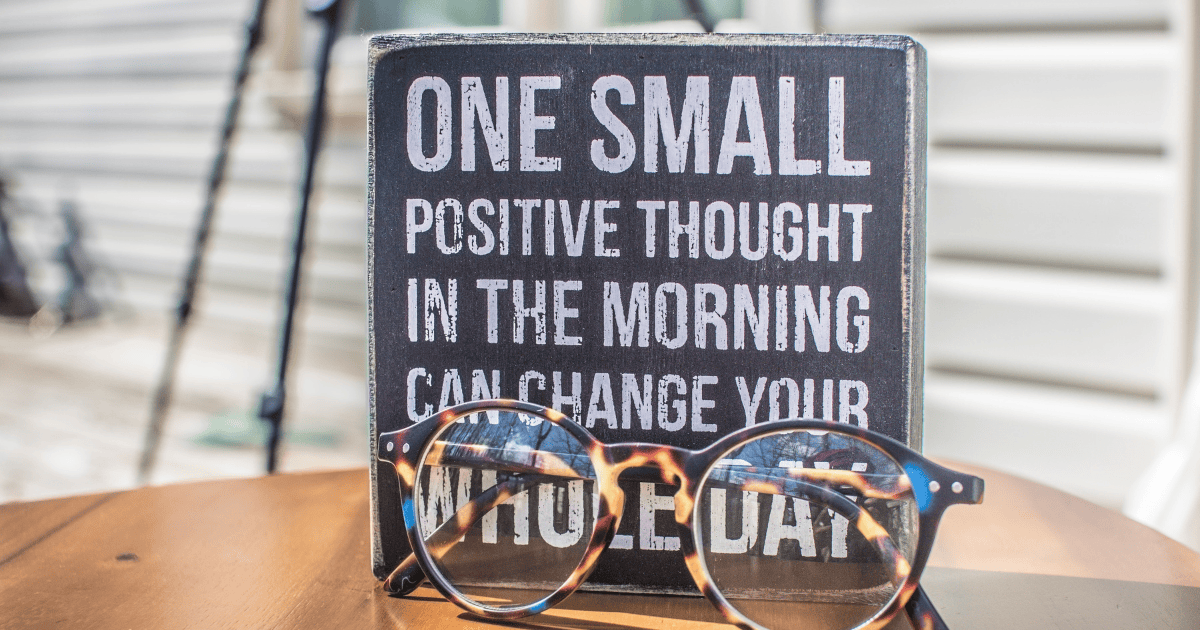
3. Print and Share Mental Health Quotes
This simple initiative costs very little but can have a surprisingly powerful effect. Printing uplifting mental health quotes and placing them in visible areas - staff rooms, mirrors, noticeboards, or on individual desks - creates gentle, daily reminders that mental health matters. You can find a variety of quotes on Pinterest.
These quotes can:
- Spark meaningful conversations between colleagues
- Create micro-moments of reflection during busy days
- Visibly show that wellbeing is a shared priority across the organisation
You could even invite team members to contribute their favourite quotes, fostering a sense of ownership and inclusivity.
4. Plan a Team Wellbeing Lunch or Trip Out
Connection is a protective factor for mental health. Organising a team wellbeing lunch, a shared walk in nature, or a visit to a local wellbeing event encourages informal conversations and strengthens team bonds.
These don’t have to be large-scale or costly. Think:
- A bring-and-share lunch where everyone contributes a dish
- A Friday afternoon walk to a nearby park
- A morning coffee outside the office to break up routines
When teams spend time together outside of their usual roles, hierarchies soften, trust builds, and wellbeing conversations flow more naturally. Over time, this kind of connection creates a more supportive and resilient workplace culture.
5. Start Meetings with a Wellbeing Check-In
This is a completely free, high-impact habit that many organisations overlook. Starting team meetings with a quick wellbeing check-in, even a simple “What’s one word to describe how you’re arriving today?”, signals that emotional wellbeing matters just as much as the agenda.
You can tailor the approach depending on your culture:
- Word check-ins work well for larger teams or time-sensitive meetings.
- One-sentence reflections (“One thing that’s gone well / one thing I need support with”) deepen connection.
- Temperature checks (1–5 scale) offer a quick overview of how the team is doing.
This small ritual encourages openness, helps managers spot early signs of stress, and creates space for human connection before diving into tasks.
Mental Health Awareness Events in Sussex and the South East
If you’re in Sussex or the South East, there are plenty of mental health events you can take part in this October:
-
Brighton’s Craft Flea Makers Market - This popular market brings together talented local makers, artisans, and independent creatives - but it’s more than just a shopping experience. Wandering through the stalls, discovering handmade crafts, and chatting with makers is a gentle form of mindfulness, encouraging you to slow down and appreciate creativity. Taking part in creative activities is proven to reduce stress and anxiety, making this event perfect for a relaxed weekend activity with friends, family, or colleagues.
-
Lindfield Comedy Club - They say laughter is the best medicine, and there’s truth in that. Comedy nights like Lindfield Comedy Club provide a natural mood boost, releasing endorphins and helping us connect socially. Whether you go with a group of colleagues for a team night out or attend with friends, this is an uplifting way to support your mental health while enjoying local talent. It’s also a brilliant reminder that mental health events don’t always have to be serious to make a real impact.
-
Mindfulness Pony Day - This is one for the kids... This unique experience combines mindfulness practices with animal-assisted connection, offering participants the chance to spend time with ponies in a calm, reflective environment. Animal-assisted activities have been shown to lower blood pressure, reduce anxiety, and support emotional regulation. The day typically includes guided mindfulness exercises, gentle grooming or walking activities with the ponies, and time in nature - a beautiful way to slow down and reconnect.
-
Breaking Free from Cravings Workshop - Hosted by one of our amazing local partners, The Float Spa, this workshop explores the emotional side of eating, helping participants build a healthier relationship with food through mindful awareness. You’ll learn practical tools to manage cravings without shame, understand the mind-body connection, and develop strategies to support both physical and emotional wellbeing. This is a great option for individuals wanting to deepen their self-awareness, or for workplace wellbeing leads seeking inspiration for future workshops.
-
Leonardslee Gardens Tree Walks - Nestled in beautiful landscaped gardens, these guided tree walks offer a peaceful escape from busy life. Walking mindfully among ancient trees has been shown to reduce stress hormones, improve mood, and enhance focus. Whether you join a guided walk or simply stroll through the gardens, this is a wonderful way to practice nature-based self-care. It’s also a great idea for team wellbeing activities that don’t require a big budget.
-
One Garden Brighton Wellbeing Events - One Garden Brighton hosts a variety of wellbeing workshops and community events throughout the year. These may include yoga and breathwork sessions, mindfulness classes, seasonal garden tours, and hands-on activities that promote balance and growth. It’s an ideal setting for those looking to explore new practices in a friendly, inclusive environment - and a lovely option for workplace teams looking to take learning outside the office.
Taking part in these local mental health awareness events is a great way to connect with your community while learning new ways to support your wellbeing.
FREE 7-DAY RESET CHALLENGE
If life’s felt overwhelming lately, our Free 7-Day Reset Challenge is the perfect way to ease back into better routines - without pressure or guilt. Each day, you’ll receive short videos and simple wellbeing prompts from a wellbeing coach to help you reconnect with yourself and rebuild healthy habits at your own pace.