
Feeling the Pressure at Work This Month? 5 Simple Ways to Cope
Feeling the Pressure at Work This Month? 5 Simple Ways to Cope

When Work Starts to Feel Heavier Than Usual
Some months feel different. When deadlines are tightening and expectations rise, you might notice your patience thinning or your energy dipping faster than usual. Pressure at work can gradually make you physically and mentally sick when there is little or no self-care to balance it.
When stress hormones like cortisol remain elevated for too long, they create many health risks, such as a weakened immune system and or increased blood pressure. When there is pressure at work, not only does it affect your performance, but it also impacts your nervous system, and if financial strain or personal stress is layered on top, everything can feel amplified.
If this month feels heavier, you’re not alone. The key isn’t pushing harder. It’s getting a better understanding of how to respond differently.
Here is how to to cope with pressure at work.

Therapeutic Coaching (10% Off Consultations)
Tired of Pushing Yourself Just to Burn Out Again? Therapeutic coaching helps you slow things down and understand the patterns behind your habits, stress, and self-pressure. It’s about creating change that actually lasts. Find out more.

1. Focus on the Next Controllable Step
When there is pressure at work, your mind can jump to outcomes, creating stress and workplace anxiety over things that haven't even happened yet. You may find yourself asking, “What if I don’t hit the target?” or “What if I fall behind?” Anticipatory workplace anxiety can leave you in a constant state of worry over outcomes that more than likely won't happen, especially if youve done the work you need to do.
That future-focused thinking increases anxiety and drains energy. Instead, break the thought down into achievable steps to reach that long-term goal and narrow your focus. Ask yourself this instead: "What is the very next step I can take?" or "What does progress look like today, not by the end of the month?"
Then complete that step, as small steps combined lead to long-term change. The big goals can create stress; it can be overwhelming trying to figure out the first step to achieve those far away, almost unrealistic targets. Starting those small actions creates momentum, and momentum restores a sense of control.
If overwhelming pressure at work is becoming a pattern rather than a phase, our workplace wellbeing sessions help employees develop realistic, sustainable strategies for managing stress and maintaining performance.
Get in touch to explore how we can support your team.
2. Understanding Yourself To Help With Workplace Anxiety
Anxiety, and in particular workplace anxiety, can stem from your inner conflict, how you may see yourself could be different to how others see you in the workplace. You may view yourself as someone who is confident and capable, but feel you're constantly criticised and not able to meet expectations. These roles could also be swapped, and your own low self-esteem may stop you from believing how capable you actually are.
These mismatches can create tension, and finding a more positive alignment within yourself and others' expectations means increasing your own self-awareness of what you are capable of and setting boundaries of what others should expect.
By approaching workplace anxiety with curiosity rather than judgment, you can gain insight into your boundaries. Over time, this self-understanding allows you to make more intentional choices that align with your authentic self and support your overall wellbeing.
Team Coaching
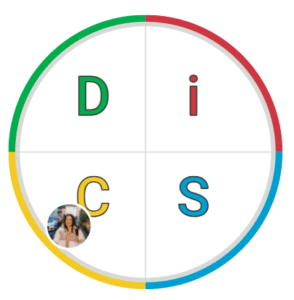
Our team coaching sessions help teams communicate better, work smarter, and perform more effectively. Through DISC profiling, we gain insight into each individual’s behavioural style and team dynamics. This means coaching is personalised, practical, and directly relevant to your workplace - supporting both performance and wellbeing. Book a FREE discovery call to find out how we can help.

3. Acknowledge That This Is a High-Pressure Period
Many people cope by pretending they’re fine; the effects this can have on you physically and mentally can be extremely harmful. Ignoring pressure doesn’t remove it; it just forces your body to carry it silently, and the longer this goes on, the greater the chance of a mental or physical injury.
Try acknowledging it instead, understanding that it is okay for times to be tough; we're all human. Do this by naming the pressure, which reduces that internal resistance and allows you to accept this period as a hard time, and, as a result of that internal barrier being removed, you could even ask for help.
You don’t need to eliminate workplace stress; you need to stop fighting yourself for feeling it, and having the ability to self-acknowledge builds resilience far more effectively than self-criticism ever will.

Therapeutic Coaching (10% Off Consultations)
Tired of Pushing Yourself Just to Burn Out Again? Therapeutic coaching helps you slow things down and understand the patterns behind your habits, stress, and self-pressure. It’s about creating change that actually lasts. Find out more.

4. Creating The Right Enviroment For The Best Results
People have a natural drive toward growth and self-actualisation, meaning they move toward becoming their best and most authentic selves; however, this can only be done when given the right conditions. In the workplace, anxiety can increase when those conditions are missing, creating a safe space allows people to express themselves without judgment or fear of doing something wrong.
If someone only feels appreciated for performance rather than who they are as a person, they may begin to doubt themselves and disconnect from their natural strengths. Therefore, reducing work anxiety involves creating environments that foster genuine support, allowing individuals to grow with confidence rather than fear.

5. Protect One Small Daily Reset
When work feels intense, self-care is usually the first thing to disappear. But this is when you need it most, and instead of trying to overhaul your routine, choose one small, non-negotiable reset every day.
For example:
-
Take a 10-minute walk without your phone.
-
Eat lunch away from your desk twice this week.
-
Leave on time one evening.
-
Write down three completed tasks before shutting your laptop.
Consistency matters in terms of performance at work, but the only way that is going to stay the same is by consistent self-care. So when pressure feels unpredictable, routine creates stability.
That one small ritual sends a powerful message to your nervous system, and that shift protects your energy more than you realise.

Be Kind To Yourself
If you’re feeling the pressure at work this month, it doesn’t mean you’re falling behind. You may just have incredibly high standards and expectations that can be hard to reach. That's okay, but remember, if the expectations are high and the demands are heavy, you’re only human. By approaching workplace worries with curiosity rather than judgment, you can gain insight into your boundaries and what could be the cause of the pressures you face at work. Over time, this self-understanding allows you to make more intentional choices that align with your authentic self and support your overall wellbeing.
If you are struggling, we offer therapeutic coaching to help address both emotional wellbeing issues, as well as lifestyle, relationships and career. Book a free discovery call here.
You don’t need a dramatic change; just make one controllable action that you stick to.
If your team is navigating sustained pressure like this, structured wellbeing sessions can provide practical tools and shared language to manage it more effectively. Book in a free discovery call or email claire@inspireyouwellbeing.co.uk to find out how we can help.
Team Coaching
Our team coaching sessions help teams communicate better, work smarter, and perform more effectively. Through DISC profiling, we gain insight into each individual’s behavioural style and team dynamics. This means coaching is personalised, practical, and directly relevant to your workplace - supporting both performance and wellbeing. Book a FREE discovery call to find out how we can help.
