
Earth Day 2026: 4 Ways to Create Meaningful Change Without the Overwhelm
Earth Day 2026: 4 Ways to Create Meaningful Change Without the Overwhelm

Earth Day comes around every year, but how it feels can shift depending on where we are in our lives.
For some, it brings a quiet sense of guilt, a reminder of the habits we haven’t quite changed yet. For others, it sparks motivation, a genuine desire to do better, to make more conscious choices, and to leave something meaningful behind. And for many of us, particularly those balancing work, leadership, and everyday responsibilities, it raises a more complex question: how do we contribute to something bigger when we already feel stretched?
Caring about the environment doesn’t always feel empowering. Sometimes, it feels like pressure.
Eco-anxiety can show up in subtle but persistent ways - questioning whether you’re doing enough, noticing the gap between your intentions and your actions, or feeling overwhelmed by the scale of the problem. It’s easy to slip into an all-or-nothing mindset, where anything less than “fully sustainable” feels like failure. But this is often where people get stuck.
The reality is that sustainability was never meant to be carried by individuals striving for perfection. It is built through collective, imperfect action over time. When we shift our mindset from “I have to get everything right” to “I can take one step forward”, the pressure begins to ease, and progress becomes more sustainable in itself.
This is where Earth Day becomes more than just a date on the calendar. It becomes a moment to pause, reflect, and reconnect with what actually feels possible, not perfect.

Therapeutic Coaching (10% Off Consultations)
Tired of Pushing Yourself Just to Burn Out Again? Therapeutic coaching helps you slow things down and understand the patterns behind your habits, stress, and self-pressure. It’s about creating change that actually lasts. Find out more.
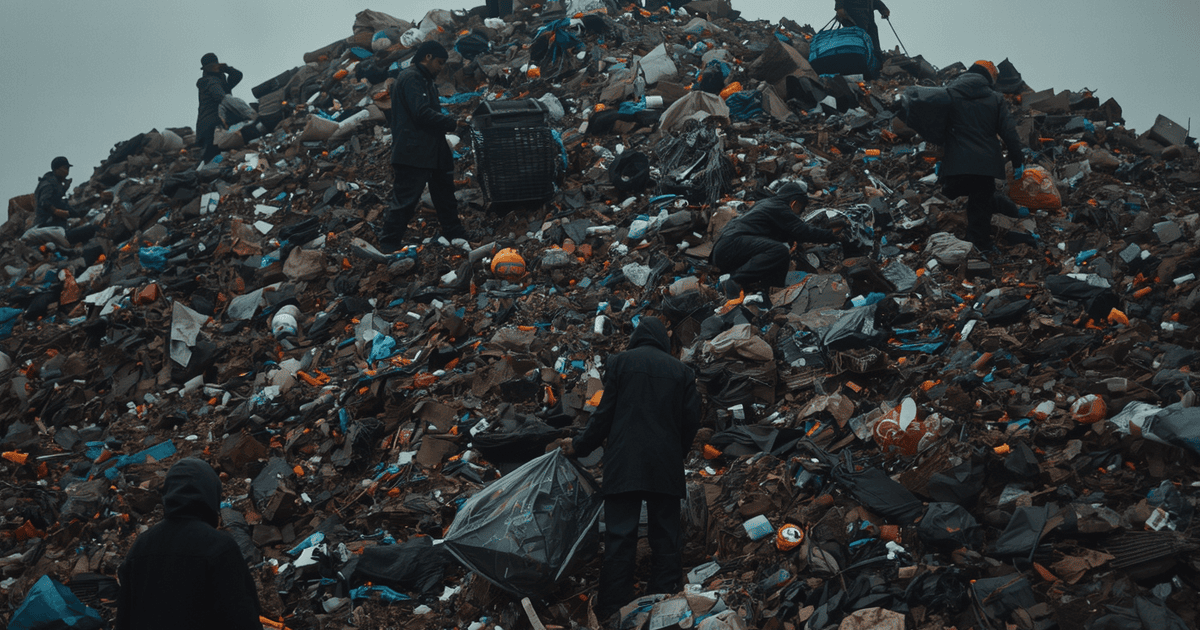
1. The Power of Small, Consistent Choices
It’s easy to underestimate the value of everyday decisions, especially when they seem small compared to global challenges. However, our daily habits shape not only our personal impact but also the culture around us.
Small changes repeated consistently create momentum. They influence how we think, how we behave, and how we show up in conversations with others. Over time, these shifts begin to ripple outward.
This doesn’t mean overhauling your entire lifestyle overnight. In fact, trying to do too much at once often leads to burnout or disengagement. A more realistic and effective approach is to focus on manageable, meaningful changes that you can sustain.
For example:
- Reducing waste in one area of your daily routine
- Being more intentional about what and how you consume
- Starting conversations with family, colleagues, or teams about shared responsibility
These actions may seem small in isolation, but collectively, they contribute to something much larger a gradual shift in awareness, behaviour, and expectation.
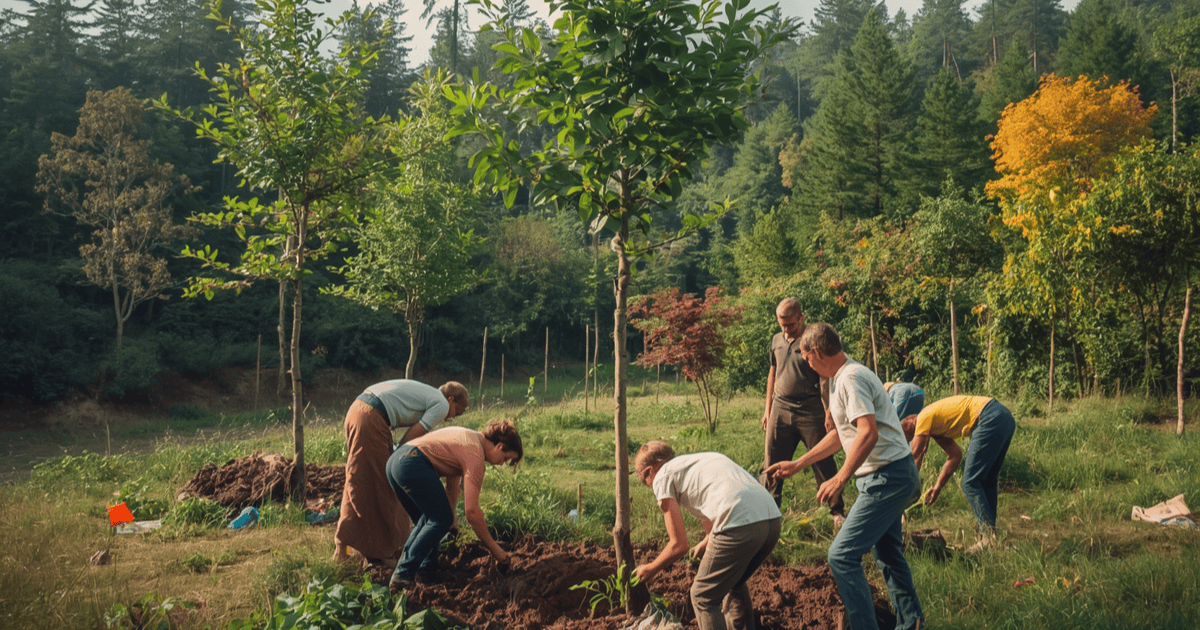
2. Leadership and Culture
For those in leadership roles, the conversation around sustainability often feels more complex.
It’s not just about personal choices, it’s about organisational responsibility, team engagement, and balancing environmental goals with operational realities. Time, budget, and competing priorities can make meaningful change feel out of reach, even when the intention is strong. However, meaningful change in organisations rarely comes from large, immediate transformations. More often, it begins with clarity, honesty, and small, strategic steps.
Leaders have a unique opportunity to shape culture, not by having all the answers, but by opening the conversation. Being transparent about where you are as an organisation, what’s working, what isn’t, and what you’re aiming to improve builds trust and encourages participation.
When people feel included in the process, they are far more likely to engage with it. Over time, this shared ownership becomes the foundation for more sustainable, long-term change.

3. From Awareness to Action
By the time we pause and reflect on Earth Day, the question often isn’t whether we care, but what we can realistically do next. When everything feels urgent and important, it’s easy to become stuck between intention and action, unsure where to begin or how to make a difference that actually lasts.
One of the most helpful shifts is recognising that change doesn’t need to start from an ideal; it simply needs to start from somewhere real. When we focus on what is already within our control, rather than what feels out of reach, progress becomes far more accessible. That might look like adjusting a small part of your daily routine, or, in a leadership context, opening up a simple, honest conversation about sustainability within your team. Starting where you are removes the pressure to do everything at once and replaces it with a sense of direction.
At the same time, it’s important to let go of the idea that we need to get it right from the outset. Sustainability is not a fixed destination; it is something we learn, adapt, and grow into over time. When we allow ourselves to be open about that process, acknowledging what we are trying, what we are still figuring out, and where the challenges lie, it creates space for more genuine engagement. This is especially true within organisations, where a culture of openness can often lead to far more meaningful participation than a polished but distant approach.

4. Thinking About Legacy
At its core, sustainability is not just about the environment; it’s about the kind of impact we leave behind. This isn’t limited to large-scale initiatives or visible outcomes. It lives in the quieter, everyday moments: the habits we model, the conversations we start, and the values we embed in the people and environments around us. When we think about legacy in this way, it becomes less overwhelming and more personal. It shifts from a question of “Can I fix this?” to “What part can I play?”
And that is where meaningful change begins. What often gets overlooked in conversations about legacy is that it isn’t only shaped by big decisions or long-term strategies. It is built quietly, through consistency in the way we show up, the choices we repeat, and the standards we are willing to hold over time. When we begin to see sustainability as part of our everyday influence, rather than something separate or additional, it becomes far more integrated and meaningful. In this way, legacy stops being something distant and instead becomes something we are actively shaping, one decision at a time.
Meaningful legacy isn’t measured only in achievements or memories, but in the condition of the world we pass on: cleaner air, thriving ecosystems, and sustainable systems that support future generations. It’s about recognising that small, consistent choices, reducing waste, protecting natural spaces, supporting responsible innovation, accumulate into long-term impact. In that sense, Earth Day reframes legacy as a shared responsibility, where the goal isn’t just to be remembered, but to ensure that the Earth itself remains a place where life can flourish long after we’re gone.
A Lasting Perspective
If you care even slightly, you are already part of the solution. Earth Day doesn’t require you to do everything. It simply invites you to do something in a way that feels realistic and sustainable for you. Because change doesn’t come from perfection, it comes from people showing up consistently in ways that matter. In the end, thinking about legacy through the lens of Earth Day brings us back to something simple but powerful: the idea that our presence here matters in quiet, lasting ways. The choices we make often small and unremarkable on their own ripple outward over time, shaping the world others will inherit.
And that is more than enough to begin. Perhaps that’s the most reassuring part of all. There is no single moment where everything changes, no point at which you suddenly “arrive” at doing it perfectly. Instead, it’s a series of small, intentional actions that gradually build into something bigger. When we take the pressure off needing to do everything and focus instead on doing what we can, we create space for progress that is not only achievable but sustainable in the truest sense of the word.
If this has resonated, you might be sitting with a sense of wanting to do more to live more intentionally, to contribute in a way that feels meaningful, or to feel more aligned with the kind of impact you want to have.
And yet, at the same time, not quite knowing what that looks like in real life.
That space in between awareness and action is where many people get stuck. Not because they don’t care, but because everything can feel a bit overwhelming, unclear, or just hard to translate into everyday life.
At Inspire You, we support individuals through coaching and wellbeing work that helps bridge that gap. Not by adding more to your plate, but by helping you find a way forward that feels realistic, grounded, and true to you.
If you’re ready to explore that in your own way, book in for a free discovery call.
