
When Words Don’t Work: 5 Creative Ways to Help Your Child Express Big Emotions
When Words Don’t Work: 5 Creative Ways to Help Your Child Express Big Emotions

Children don’t struggle with emotions because they’re being difficult. They struggle because their brains are still developing the systems needed to identify, organise and express how they feel.
During moments of big emotion, a child’s nervous system often shifts into fight, flight or freeze. When this happens, the parts of the brain responsible for language, reasoning and emotional regulation go temporarily offline. Expecting a child to “talk it through” in those moments is often unrealistic.
That’s why many children appear to shut down, lash out, or become overwhelmed when asked to explain what’s wrong.
Supporting children’s emotional expression isn’t about fixing or stopping feelings. It’s about giving them safe, developmentally appropriate ways to release and process emotion until they’re ready to put words to it later.
Below are five practical, creative strategies that work especially well when talking doesn’t.
CHILDRENS THERAPY
Our children’s therapy services support children around the Shoreham-by-sea area who struggle with emotional regulation, big feelings, shutdowns, anxiety, or behaviour that feels hard to understand.
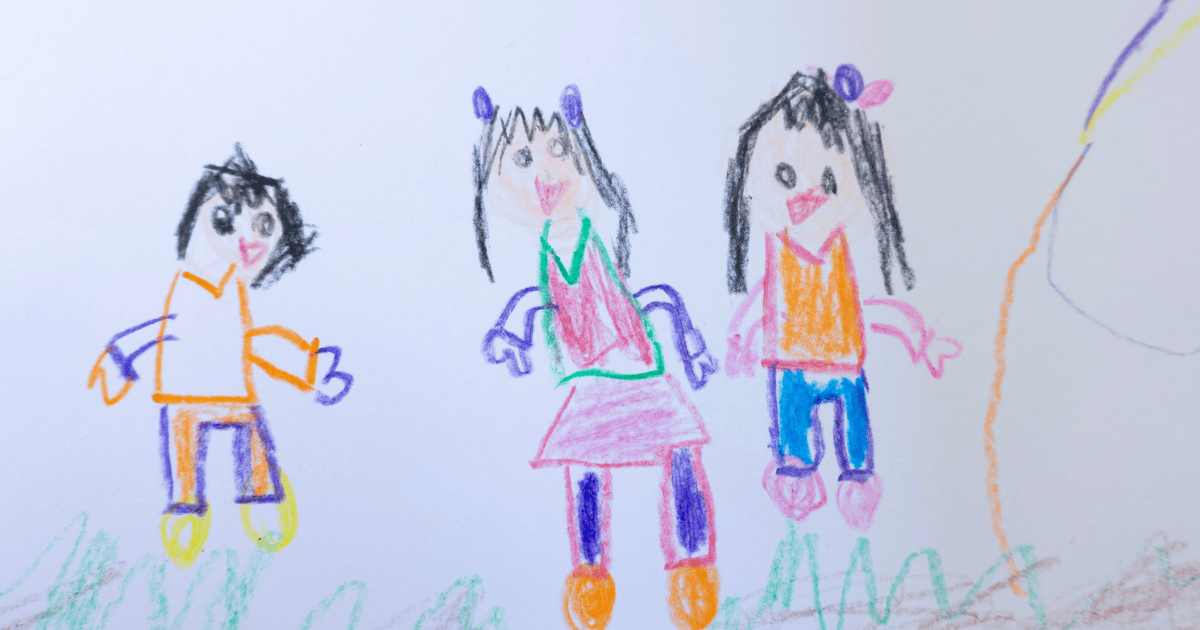
1. Draw the Feeling (Not the Situation)
Instead of asking your child what happened, invite them to draw the feeling itself.
This could be:
- a colour
- a shape
- a creature
- a storm
- something abstract
You don’t need to analyse the drawing. Simply sit alongside them and, if appropriate, reflect what you notice: “That looks very big and fast.”
Drawing activates different neural pathways to language and allows emotional expression without pressure. It also helps externalise the feeling, making it less overwhelming.
2. Use Objects to Represent Emotions
Gather a few everyday items such as stones, Lego figures, toy animals, or household objects. Ask your child to choose something that represents how they feel right now.
They might:
- line objects up
- move them around
- place one far away
- hide one
Avoid questioning or correcting. Let the play lead. Symbolic play allows children to communicate complex emotional states safely and indirectly. It also gives you insight without demanding verbal explanation.

3. Create a “Feelings Scale” They Control
Rather than asking “Are you OK?”, use a simple scale your child can point to.
Examples:
- 1–5 with faces
- colours from calm to overwhelmed
- weather types (sunny, cloudy, stormy)
The key is that they choose, not you.
Scales reduce cognitive load and help children notice emotional shifts over time, building emotional awareness without forcing conversation.

4. Move the Emotion Out Through the Body
Big emotions live in the body first. Before talking, children often need physical release.
Practical options:
- jumping or running for 30–60 seconds
- pushing against a wall
- squeezing a cushion or stress ball
- slow, heavy movements (animal walks, stretching)
Once their body is calmer, emotional processing becomes possible. Movement helps regulate the nervous system and brings the brain back online, making emotional reflection more accessible later.

5. Use Stories to Talk Around the Feeling
Create a simple story together using a character who feels similar to your child.
You might say:
“I wonder what helps this character when they feel like that?”
Let your child suggest solutions for the character, not themselves. Stories create emotional distance, which reduces defensiveness and allows problem-solving without pressure or shame.

Why This Matters (And Where to Get Further Support)
Children’s emotional wellbeing isn’t built through perfect conversations or having the “right” words at the right time. It’s built through repeated experiences of being met, understood, and supported - even when emotions are messy, loud, or hard to explain.
When children are given safe, creative ways to express big emotions, they learn that feelings are manageable rather than overwhelming. Over time, this helps them develop emotional regulation, confidence in communicating their needs, and resilience when things feel difficult. Importantly, it also reduces the risk of emotions being pushed down or acted out in ways that feel confusing or unsafe.
The aim isn’t to stop big emotions or rush children into talking before they’re ready. The aim is to show them that their feelings are allowed, temporary, and something they don’t have to face alone. Words usually come later - once the nervous system feels calm enough and safe enough to reflect.
CHILDRENS THERAPY
Our children’s therapy services support children around the Shoreham-by-sea area who struggle with emotional regulation, big feelings, shutdowns, anxiety, or behaviour that feels hard to understand.
